

বাংলাদেশে অনলাইন ব্যবসা শুরু করতে পণ্য নির্বাচন, বিক্রয় ও ডেলিভারি ব্যবস্থা, অনলাইন উপস্থিতি, মার্কেটিং, ইনভেন্টরি এবং হিসাব ব্যবস্থাপনা—এই বিষয়গুলো আগে গুছিয়ে নেওয়া জরুরি। ব্যবসা বাড়লে POS, inventory ও accounting software দিয়ে দৈনন্দিন কাজ আরও সহজে পরিচালনা করা যায়।
An online business allows you to reach customers beyond your physical location and sell through an ecommerce website, Facebook, other social media platforms or online marketplaces. In Bangladesh, many businesses combine online sales with traditional stores to reach more customers and increase sales.
Starting an online business does not necessarily require a large investment. You can begin with a focused product range, a simple online presence and reliable delivery and payment options, then expand as your business grows.
The following seven steps can help you plan, launch and manage an online business in Bangladesh.
1. Choose What to Sell Online
Start by identifying products or services that match your knowledge, skills, interests and target customers. Research demand, competition and expected profit before deciding what to sell.
If you operate a retail business, you do not necessarily need to list every product online from the beginning. Start with popular, profitable or easy-to-deliver products and expand your range based on customer demand.
Service businesses can also sell online. Depending on the service, you may be able to provide consultations, training, digital products or customer support through a website, video calls or social media.
For restaurants and food businesses, consider listing your most popular and profitable items online first. A focused menu can make online ordering, preparation and delivery easier to manage.
2. Set Up Packaging and Delivery
Reliable delivery is an important part of an online business. Choose packaging that protects your products during transport and clearly communicate delivery charges and estimated delivery times to customers.
When your business is small, you may initially manage packaging and delivery yourself. As order volume increases, consider using reliable third-party delivery services.
Compare delivery fees, coverage areas, delivery times, cash-on-delivery options and return procedures before selecting a delivery partner.
A clear return and refund policy can also increase customer confidence and reduce misunderstandings after a sale.
3. Choose an Ecommerce Platform
Choose the online platform that best fits your products, customers and budget. Depending on your business, this could be an ecommerce website, mobile application, Facebook page, online marketplace or a combination of several channels.
If you operate a retail business, platforms such as Shopify or a custom ecommerce website can provide an online store where customers can browse products and place orders.
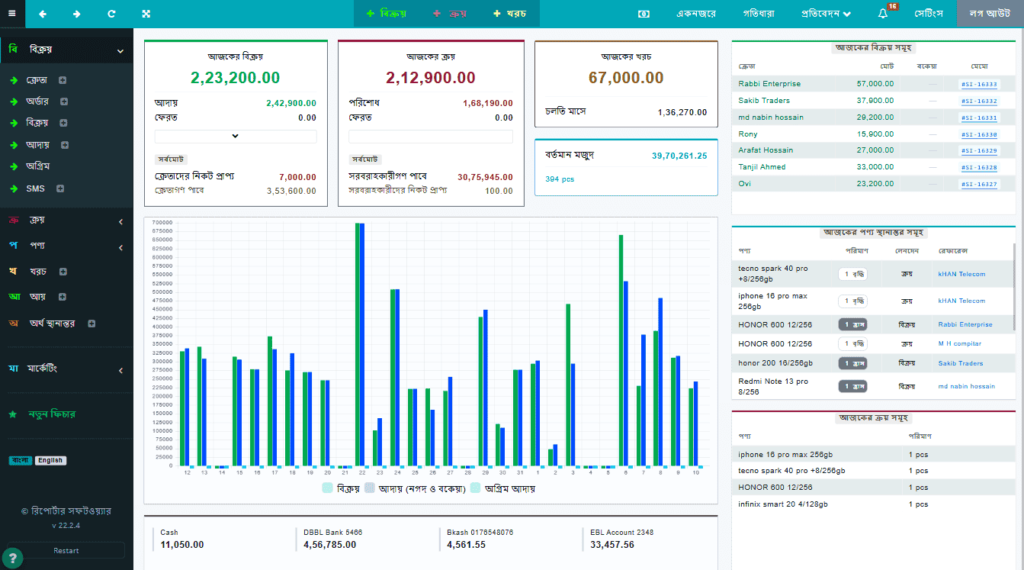
Your online sales system should work well with your other business operations. Integrating ecommerce with accounting and inventory management software can help you track sales, stock, purchases and financial transactions more efficiently.
4. Build Your Online Presence
Create a professional website or business presence on platforms such as Facebook and other social networks. Make sure customers can quickly understand what you sell, how to order and how to contact your business.
Your website should be mobile-friendly because many customers browse products and communicate with businesses using smartphones. Keep the navigation simple, product information clear and checkout easy to complete.
If you sell through an ecommerce website, pay attention to abandoned carts and incomplete orders. Clear product information, convenient payment methods, transparent delivery charges and responsive customer support can help increase completed purchases.
Customer service is equally important. Respond quickly to questions through phone, messaging, email or social media, and make it easy for customers to receive updates about their orders.
If you also operate a physical store, keep your online and offline sales information organized so that product availability and inventory remain accurate.
5. Protect Customer Data
Online businesses collect customer information such as names, phone numbers, addresses and order details. Protect this information and only collect data that is necessary for your business operations.
Use HTTPS on your website and choose reputable payment providers and software services. Keep customer information secure and limit access to authorized staff.
Customers should also be able to understand how their information is used. A clear privacy policy can help build trust and demonstrate that your business takes data protection seriously.
6. Market Your Online Business
There are several ways to promote an online business in Bangladesh. Social media marketing, search advertising, useful content, email marketing and customer referrals can all contribute to business growth.
Social media platforms can help you communicate directly with existing and potential customers. Instead of only promoting products, publish useful content that answers customer questions, demonstrates your products and builds trust.
Search advertising can help you reach people who are already looking for products or services like yours. Monitor your advertising results and focus your budget on channels that generate qualified customers.
Product demonstrations, tutorials, customer reviews and educational videos can also be effective ways to attract potential customers and explain the value of your products.
As your business grows, use customer feedback and sales data to identify the marketing channels and products that perform best.
7. Automate Your Business Operations
Manual processes become difficult to manage as an online business grows. Digital tools can help automate sales, inventory, purchasing, accounting, customer records and business reporting.
Keeping sales and inventory information up to date is particularly important when you sell through multiple channels. Accurate stock information helps reduce overselling, while organized financial records make it easier to understand revenue, expenses, profit and outstanding payments.
A business management or POS system can bring these operations together and reduce repetitive work. Automation allows you to spend more time on customers, marketing and business growth.
If you are looking for an accounting, inventory and business management software in Bangladesh, Reporter Software can help manage sales, purchases, inventory, accounts and other day-to-day business operations.